
Most moving damage doesn’t happen on the truck. It happens before the truck even shows up, when items are boxed too loosely, wrapped in the wrong materials, or stacked without a real plan. Packing is where a lot of the risk in a move actually lives.
This guide looks at how professional packing services protect your belongings, what separates trained packers from a DIY approach, and when local movers and packing services, or even white-glove delivery, make sense for a specific move. It draws on real, practical experience in the moving industry, including how Two Twigs Moving approaches packing across Charlotte, Charleston, and Greenville.
What Do Packing Services Actually Include?
Packing services generally cover wrapping, boxing, and labeling your belongings using commercial-grade materials designed to hold up during transport. Depending on the company, this can mean packing an entire home from top to bottom, or a partial service focused only on fragile and high-value items.
Furniture wrapping, dish packing, and electronics handling are usually part of the package too, since these items need different materials and techniques than a stack of paperback books or folded clothes.
Why Professional Packing Prevents Damage
The Right Materials for the Job
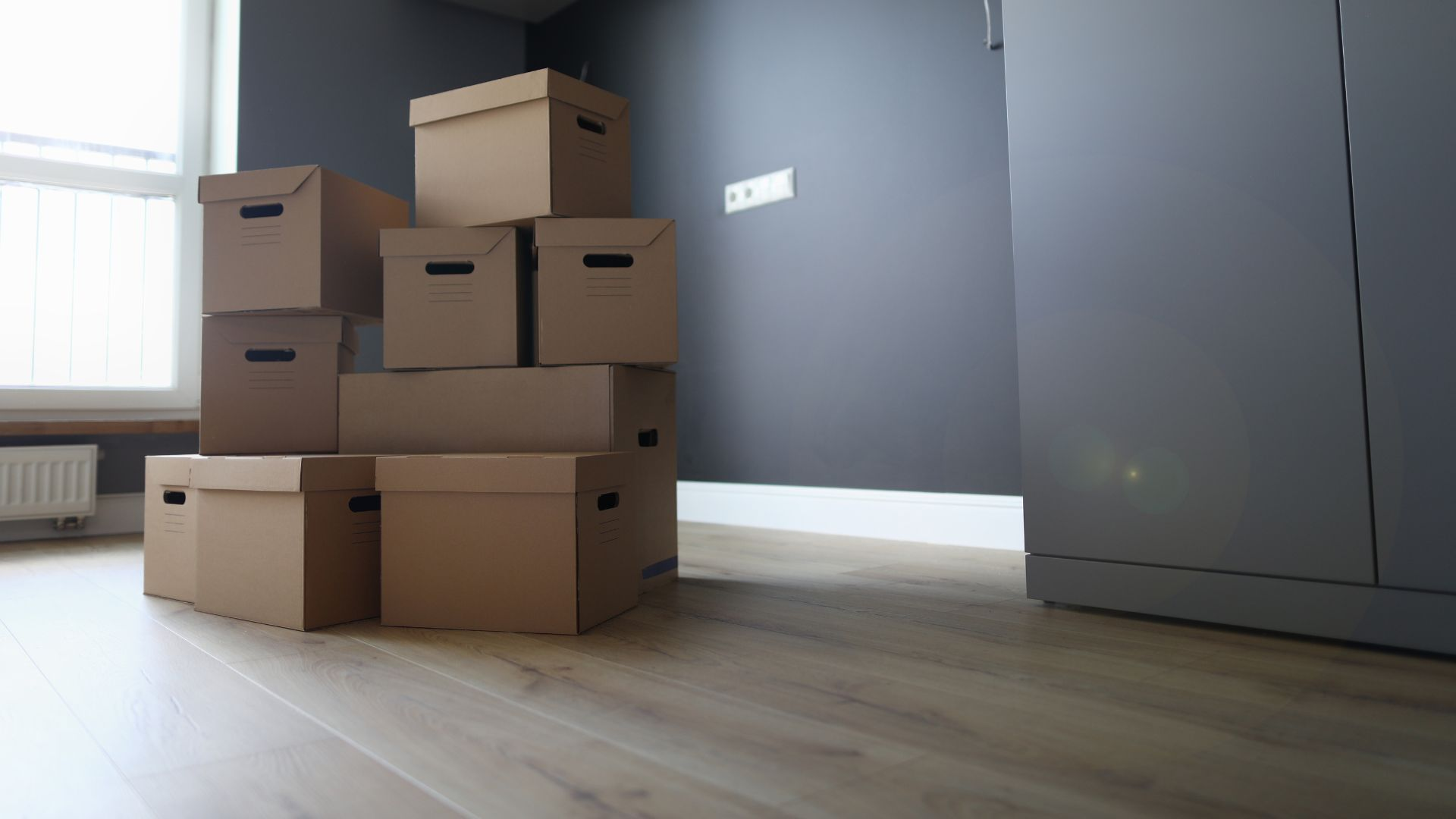
Professional packers use sturdy, appropriately sized boxes along with packing paper, bubble wrap, and dish dividers built for the job. A box that’s too big for its contents, or padding that’s too thin, is one of the most common causes of damage during a move.
Proper Weight Distribution
Heavier items go on the bottom, lighter and more fragile items go on top, and boxes are packed to avoid space that lets things shift during transport. This sounds simple, but it’s one of the biggest differences between a professionally packed box and a rushed one.
Furniture Wrapping and Protection
Moving blankets, shrink wrap, and corner protectors keep furniture from getting scratched, dented, or scuffed while it’s loaded, transported, and unloaded. This step is easy to skip when packing solo, but it’s standard practice for a trained crew.
Professional Packing Services vs. Packing It Yourself
Here’s how the two approaches typically compare when it comes to time, cost, and risk.
| Factor | Professional Packing Services | Packing It Yourself |
| Materials Used | Commercial-grade boxes, padding, and wrap | Whatever you can find or buy last minute |
| Time Required | Minimal, handled by the crew | It can take days, depending on the home size |
| Damage Risk | Lower, due to trained packing techniques | Higher, especially for fragile items |
| Best For | Fragile, valuable, or bulky items | Simple, non-fragile belongings |
| Cost | Added to your moving quote | Cost of your own supplies and time |
Local Movers and Packing Services: A Combination Worth Considering
Pairing local movers with packing services often makes sense for a move within the same city, since one crew can handle both the packing and the loading without adding extra coordination on your end. This combination tends to work especially well for busy households or anyone short on time before moving day.
For a closer look at how local movers and packing services work together, it helps to request a quote that outlines both pieces clearly, so you know exactly what’s covered before the crew arrives.
When White Glove Delivery Makes Sense for Fragile or High-Value Items
Standard packing services cover most homes well, but some items need more than that. Antiques, fine art, and designer furniture often call for white glove delivery, which typically includes custom crating, extra padding, and careful in-home placement at the new address.
If you’re searching for white glove delivery near me because you have a piece that simply can’t be replaced, it’s worth mentioning that upfront when requesting a quote, so the crew comes prepared with the right materials from the start.
What to Look for in a Packing Services Provider
- Experience packing fragile or high-value items specifically
- Clear pricing for full versus partial packing
- Use of commercial-grade materials, not just standard cardboard boxes
- Willingness to pack only certain rooms or items if that’s all you need
- Proper insurance coverage for items packed by their team
Common Packing Mistakes to Avoid
Overpacking boxes until they’re too heavy to lift safely is one of the most common mistakes, along with using boxes that are too large for what’s inside them. Skipping padding for glassware or electronics, even for a short move, is another easy way to end up with damage that could have been avoided.
Labeling boxes clearly, room by room, also saves a surprising amount of time and confusion once you’re unpacking at the new place.
Final Thoughts
Packing is where most preventable moving damage happens, which makes it one of the more valuable services to get right. Whether that means full-service packing, a partial package for fragile items, or white glove delivery for something irreplaceable, matching the service to what you’re actually moving makes the biggest difference.
Two Twigs Moving offers packing services alongside local moving support across Charlotte, Charleston, Greenville, Beaufort, and Summerville. If you want your belongings handled with the right materials and technique, requesting a free quote is the fastest way to find out what’s included for your move.
Frequently Asked Questions
1. What do packing services actually include?
Packing services typically include wrapping, boxing, and labeling your belongings using commercial-grade materials. Many companies, including Two Twigs Moving, offer full packing for an entire home or partial packing focused on fragile and high-value items only.
2. Are professional packing services worth the extra cost?
For fragile, bulky, or high-value items, yes. Professional packing reduces the risk of damage during transport and saves significant time compared to packing an entire home yourself. For simple, sturdy items, packing them yourself can be a reasonable way to save money.
3. Can I hire packing services without also hiring movers?
Many moving companies offer packing as a standalone service or as an add-on to a full move. It’s worth asking directly whether packing-only service is available if you plan to handle the loading and transport yourself.
4. What is white glove delivery and how is it different from regular packing services?
White glove delivery is a higher-tier service focused on high-value or delicate items, like antiques, artwork, or designer furniture. It typically includes custom crating, careful in-home placement, and extra attention beyond standard packing and moving.
5. How do professional movers pack fragile items safely?
Professional packers use techniques like double-boxing, dish dividers, and specialized padding for glassware, artwork, and electronics. Furniture is typically wrapped in moving blankets and shrink wrap to prevent scratches and dents during transport.
6. Should I pack valuables myself or let movers handle them?
For irreplaceable or high-value items, letting trained packers handle them often reduces risk, since they use proper materials and techniques. If you prefer to keep an eye on something specific, like jewelry or important documents, it’s fine to pack and transport those yourself.
.svg)