
Planning a move across state lines often starts with one major question: Should you handle everything yourself or hire professional long-distance movers? At first glance, a DIY move may seem like the cheaper option. Renting a truck and asking a few friends for help sounds manageable in theory. But once the real costs, time commitment, and physical demands come into the picture, the decision becomes far more complicated.
Whether you are relocating for work, family, or a fresh start, long-distance moving involves much more than simply transporting boxes from one place to another. From protecting furniture during transit to managing schedules, fuel costs, and loading heavy items safely, every step requires planning and coordination. Understanding the difference between a DIY move and working with experienced movers can help you make a smarter and less stressful decision.
What Qualifies as a Long-Distance Move?
A long-distance move typically refers to any relocation that crosses state lines or covers more than 100 miles. Unlike a local move, these relocations involve longer travel times, stricter scheduling, and greater risks if items are packed or transported incorrectly.
Because belongings remain in transit longer, factors like secure loading, proper packing materials, and route planning become far more important. Delays, weather conditions, and road movement can all impact the safety of your furniture and household items during transport.
For many families, long-distance moving also happens during already stressful life transitions, including new jobs, home purchases, or downsizing. That is why choosing the right moving approach matters beyond just the initial price.
The Real Cost of a DIY Long-Distance Move
A DIY move often appears budget-friendly at first. However, many hidden expenses begin adding up quickly once the process starts.
Truck Rental and Fuel Costs
The rental price itself is only one part of the expense. Most moving truck companies charge additional mileage fees, insurance costs, fuel charges, and one-way drop-off fees for interstate moves. Larger trucks also consume significantly more fuel than standard vehicles, especially on cross-country routes.
Depending on the distance, fuel alone can become a major portion of the moving budget.
Packing Supplies and Moving Equipment
Many people underestimate how much proper packing materials cost during a move. Supplies often include:
- Moving boxes of multiple sizes are necessary for organizing household belongings safely during transportation.
- Bubble wrap and packing paper help reduce damage to fragile items like dishes, electronics, and decorative pieces.
- Mattress covers, tape, labels, and furniture pads help protect large furniture from scratches, moisture, and shifting during transit.
- Dollies and lifting straps are often rented separately to move heavy furniture and appliances more safely.
For a full household move, these costs can easily grow into several hundred dollars.

Time, Labor, and Physical Exhaustion
A long-distance DIY move requires considerably more physical effort than most people expect. Packing, lifting, loading, driving, unloading, and unpacking can stretch across several days.
Driving a fully loaded moving truck through unfamiliar roads, traffic, or weather conditions also adds stress and fatigue. By the time many people arrive at their new home, they are already exhausted before the unloading process even begins.
If time off work is required, that lost income should also be considered part of the overall moving cost.
Risk of Damage
One overlooked expense in DIY moving is accidental damage. Improperly secured furniture, poorly packed boxes, and uneven truck loading can all lead to broken or scratched belongings during transit.
Heavy items shifting inside the truck may damage:
- Wood furniture and dining tables
- Televisions and electronics
- Mirrors and artwork
- Mattresses and upholstered furniture
- Appliances and fragile décor
Repairing or replacing damaged items often costs far more than expected.
What Professional Movers Bring to the Process
Working with experienced movers changes the moving experience entirely. Instead of managing every detail yourself, the process becomes more organized, efficient, and significantly less stressful.
Professional moving teams typically handle:
- Packing and unpacking services help protect belongings while saving homeowners valuable time during the transition.
- Furniture disassembly and reassembly, especially for large items that cannot safely move through staircases, hallways, or doorways in one piece.
- Secure truck loading techniques, which help minimize shifting and reduce the risk of damage during long-distance transportation.
- Transportation logistics and scheduling, ensuring deliveries stay organized and move-in timelines remain easier to manage.
- Specialty item handling, including antiques, pianos, oversized furniture, and delicate electronics that require extra protection.
For larger households or interstate relocations, this level of support often provides peace of mind that a DIY move simply cannot offer.
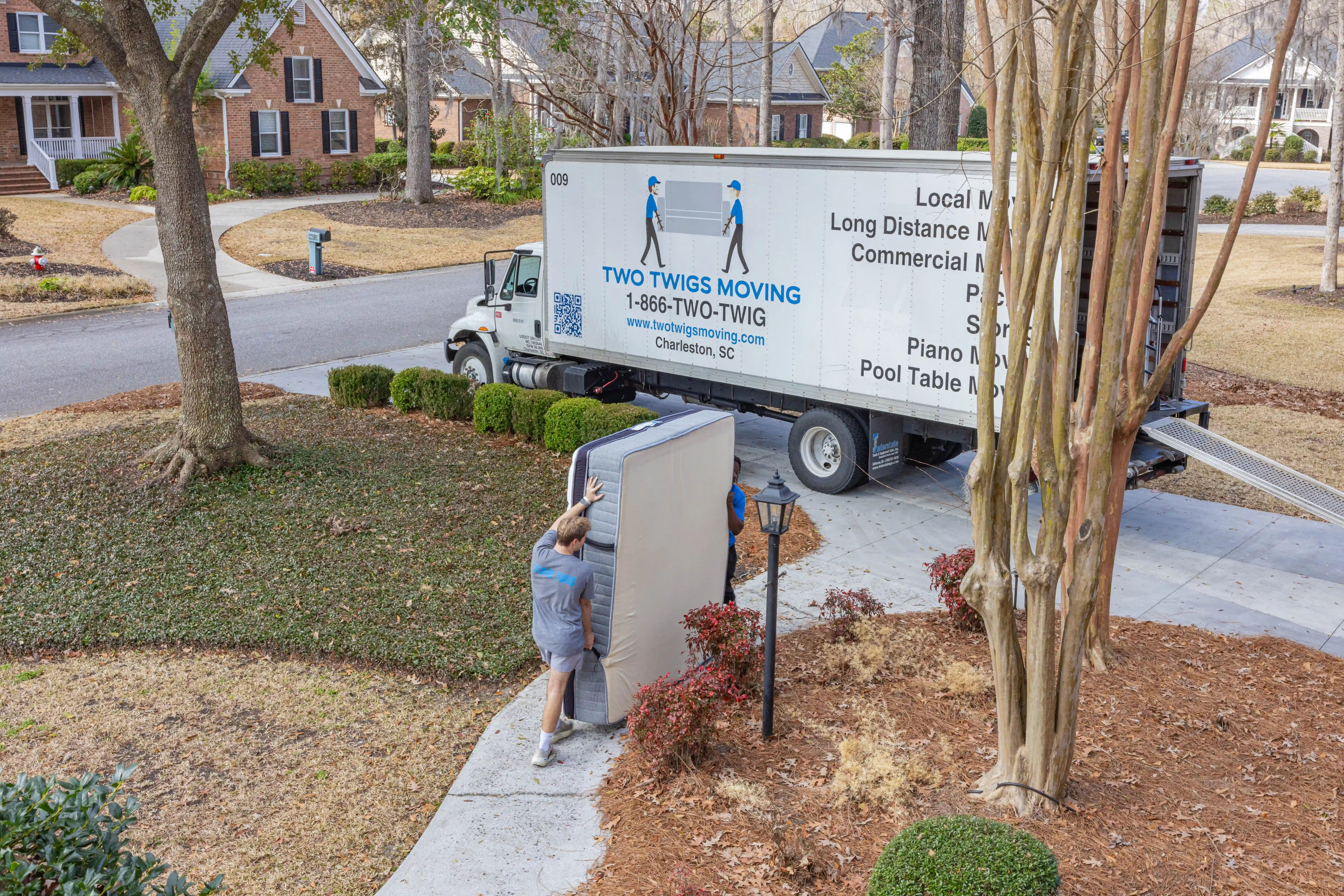
The Two Twigs Moving focuses on helping families and businesses navigate both local and long-distance relocations with a more organized and carefully managed moving experience.
Safety Comparison: DIY vs Professional Moving Services
Safety is one of the biggest differences between these two options.
Professional movers use specialized equipment such as:
- Moving blankets and stretch wrap to protect surfaces from scratches and impact damage during transport.
- Lifting straps and dollies that help move heavy furniture more safely while reducing strain and injury risks.
- Secure tie-down systems inside moving trucks to prevent boxes and furniture from shifting during long-distance travel.
- Proper loading strategies that distribute weight evenly and improve stability throughout transportation.
Without experience, DIY movers often rely on guesswork when loading trucks or securing furniture. Even small mistakes can lead to damaged belongings or personal injuries.
This becomes especially important for:
- Antique furniture
- Pool tables
- Pianos
- Glass furniture
- Large sectionals
- Office equipment
These items usually require trained handling techniques and proper equipment for safe transport.
When a DIY Move Makes Sense
There are situations where handling a move yourself may still be practical.
A DIY approach may work well if:
- You are moving to a small apartment with limited furniture and minimal fragile belongings.
- The relocation distance is relatively manageable and does not involve several days of driving.
- Friends or family members are available to assist with loading and unloading heavy items.
- You have flexibility in your moving timeline and can handle delays without added stress.
For smaller relocations with fewer belongings, a self-managed move can sometimes help reduce upfront expenses.
When Hiring Movers Is Usually the Better Choice
Professional moving services often become the more practical option when:
- Moving an entire household across state lines
- Relocating with children or pets
- Transporting valuable or delicate furniture
- Working within strict move-in deadlines
- Managing a business or office relocation
- Downsizing from a large home
- Moving long distances during busy seasons
In these situations, the combination of logistics, physical labor, and transportation complexity can quickly become overwhelming without experienced help.
DIY vs Professional Movers: Quick Comparison
| Factor | DIY Move | Professional Movers |
| Upfront Cost | Lower initially | Higher upfront |
| Hidden Expenses | Fuel, supplies, labor, repairs | Fewer unexpected costs |
| Physical Effort | Very high | Minimal for a homeowner |
| Packing Quality | Depends on experience | Professionally handled |
| Risk of Damage | Higher | Lower |
| Time Commitment | Several days or weeks | Faster and organized |
| Specialty Item Handling | Difficult | Professionally managed |
| Stress Level | Often high | More manageable |
Final Thoughts
The decision between a DIY move and hiring long-distance movers in Charlotte, NC, involves much more than comparing basic prices. While moving yourself may appear less expensive at first, the real costs often include fuel, packing supplies, physical exhaustion, scheduling stress, and the risk of damaging valuable belongings.
Professional movers provide structure, experience, and efficiency that can make a major difference during a long-distance relocation. From careful packing to organized transportation and secure handling, the right moving team helps simplify what is often a stressful life transition.
For many homeowners and businesses, investing in experienced movers ultimately saves time, reduces stress, and helps protect the things that matter most throughout the journey.
Frequently Asked Questions
Q: Is it always cheaper to do a DIY long-distance move?
A: Not necessarily. When you account for truck rental, fuel, mileage fees, packing supplies, labor, and the time required, a DIY move can end up costing more than hiring long-distance movers, especially for a larger household or a cross-country relocation.
Q: What does a long-distance moving company typically include in its services?
A: A full-service long-distance moving company typically handles packing, loading, transportation, furniture disassembly and reassembly, unloading, unpacking, and short-term storage. The specific services included will depend on the package or quote you receive.
Q: How do I know if my belongings are protected during a long-distance move?
A: Professional movers use appropriate packing materials and techniques to protect your items during transit. When evaluating a moving company, ask about their process for handling fragile and specialty items, and confirm the company is fully licensed and insured.
Q: How far in advance should I book long-distance movers?
A: For a long-distance move, booking 4–8 weeks in advance is generally recommended. If your move falls during peak season (May through August), giving yourself even more lead time helps ensure you get the date and team you want.
Q: How should I prepare before long-distance movers arrive?
A: Start by decluttering, donating, or setting aside anything you don’t plan to bring. Label boxes clearly, set aside a bag of daily essentials to keep with you, and make sure important documents are stored separately and safely. Confirming logistics like parking and building access ahead of time also helps moving days go smoothly.
.svg)