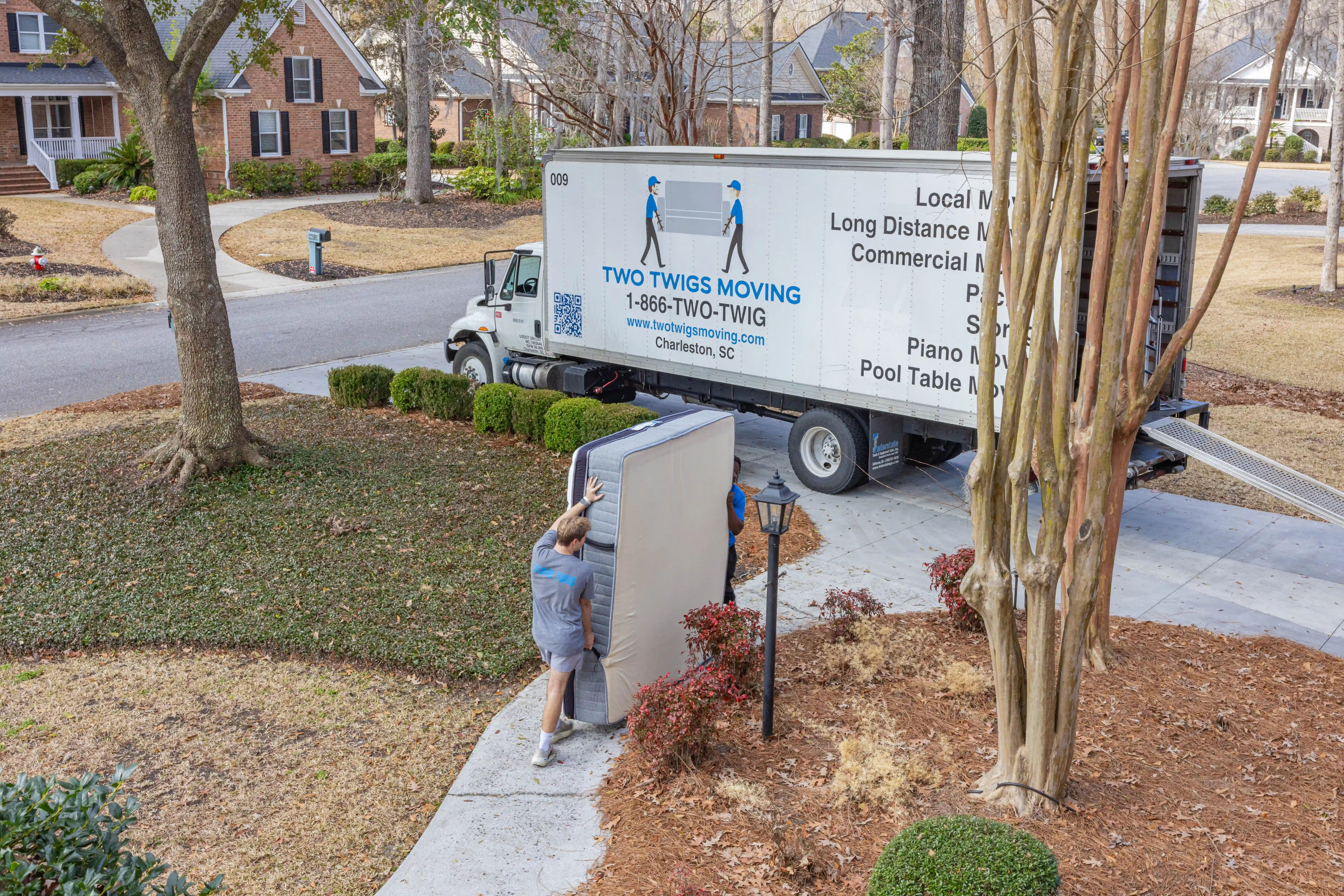
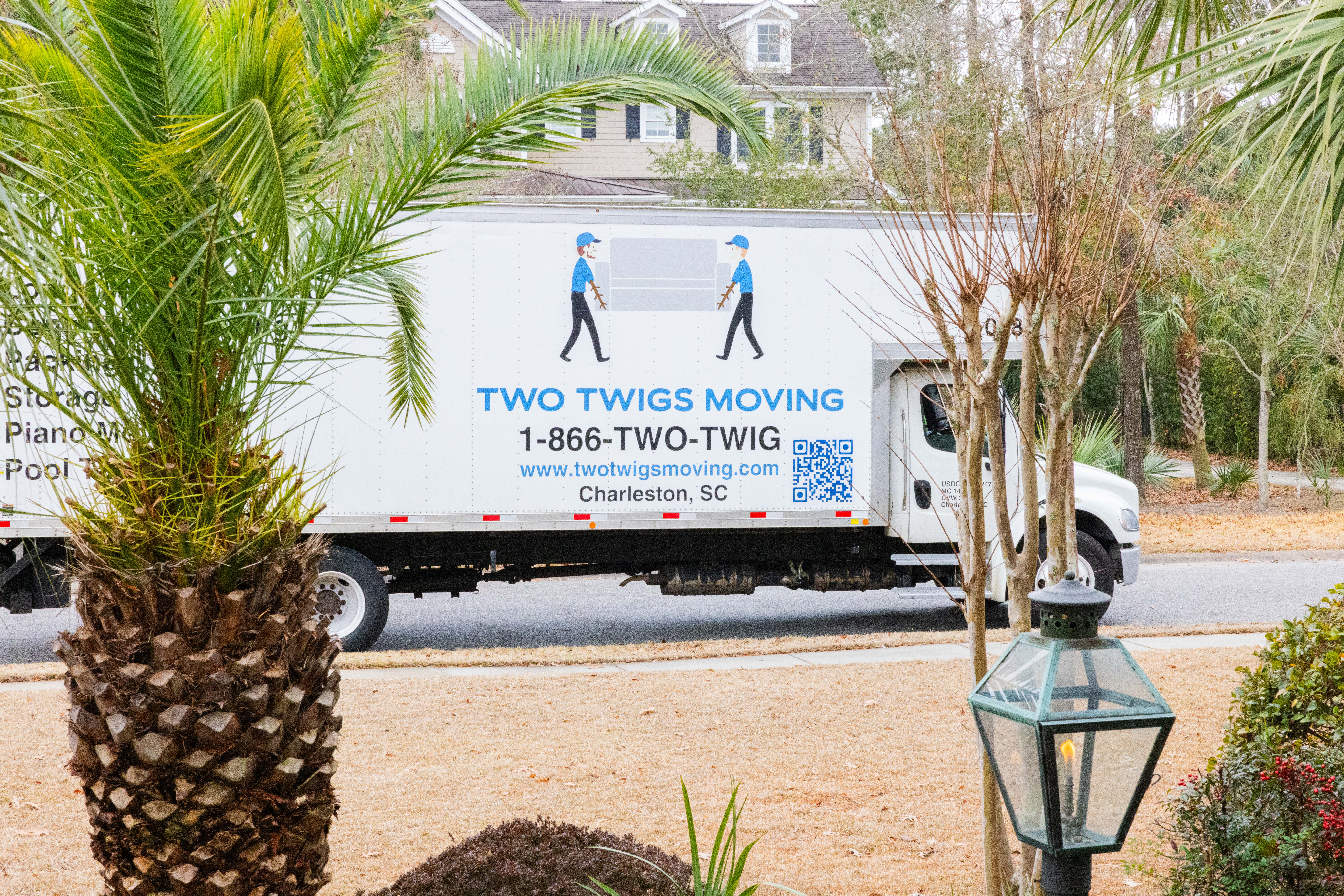

Moving to a new home or office is an exciting milestone, but it can also be one of life’s most significant expenses. Without a clear budget, moving costs can quickly add up and create unnecessary stress. Whether you are relocating across town, moving to a new state, downsizing, or expanding your business, understanding potential expenses is essential for a smooth transition. If you are planning a Charleston moving project, creating a detailed cost checklist is one of the smartest ways to stay organized and avoid unexpected expenses.
While every move is unique, knowing where your money is likely to go can help you plan more effectively and make informed decisions.
This guide breaks down common moving expenses, explains the factors that influence costs, and shares practical ways to save money while ensuring a successful relocation.
Charleston Moving Cost Checklist
A successful move starts with understanding every expense involved. Use this checklist to build a realistic moving budget.
1. Professional Moving Services
Hiring professional movers is often the largest moving expense, but it can also provide the greatest value.
Professional moving services may include:
- Loading and unloading
- Transportation
- Furniture protection
- Furniture disassembly and reassembly
- Packing assistance
- Specialty item handling
Experienced movers can help reduce the risk of damage, save time, and make the moving process significantly easier.
2. Packing Supplies
Packing services materials are a necessary part of almost every move and should be included in your budget.
Common packing expenses include:
- Moving boxes
- Packing tape
- Bubble wrap
- Packing paper
- Mattress covers
- Furniture blankets
- Labels and markers
Purchasing supplies early can help you avoid last-minute costs and ensure you’re fully prepared.
3. Moving Truck Costs
If you are considering a DIY move, don’t forget to account for truck-related expenses.
Potential costs include:
- Rental fees
- Fuel expenses
- Mileage charges
- Insurance coverage
- Moving equipment rentals
When all costs are considered, many homeowners find that professional movers offer better overall value than expected.
4. Storage Costs
Temporary storage may become necessary if your moving timeline changes unexpectedly.
Storage solutions are commonly used when:
- A new home isn’t ready
- Closing dates don’t align
- Renovations are in progress
- You’re downsizing
Storage services in Charleston cost vary based on unit size, location, and rental duration.
5. Specialty Item Moving
Some items require additional care, equipment, and expertise.
Examples include:
- Pianos
- Pool tables
- Gun safes
- Large antiques
- Fine artwork
- Commercial equipment
These items often require specialized handling, which can increase moving costs.
6. Utility and Administrative Expenses
Many people focus solely on transportation costs and overlook other relocation expenses.
Be sure to budget for:
- Utility transfers
- Security deposits
- Internet installation
- Cleaning services
- HOA fees
- Address changes
Including these expenses creates a more accurate picture of your overall moving budget.
Sample Moving Budget Breakdown
While costs vary by location and move size, this table provides a useful budgeting framework.
| Expense Category | Typical Cost Considerations |
| Professional Movers | Home size, labor hours, services |
| Packing Supplies | Quantity of belongings |
| Truck Rental | Distance and truck size |
| Storage Unit | Unit size and rental period |
| Utility Transfers | Provider fees |
| Cleaning Services | Property size and condition |
Using a checklist like this can help you avoid missing important expenses during the planning process.
What Factors Influence Moving Costs?
Not all moves are priced the same. Several variables affect your final moving estimate.
- Home Size
The size of your home plays a major role in determining moving costs. Larger homes typically contain more furniture, boxes, and personal belongings, which often require additional movers, larger trucks, more labor hours, and longer loading and unloading times. As the volume of items increases, moving expenses generally rise as well.
- Accessibility Challenges
Accessibility can significantly impact the overall cost of a move. Properties with multiple staircases, small elevators, long carrying distances, limited parking, or restricted building access often require extra time and effort from the moving crew. The easier it is for movers to access your property, the more efficiently the move can be completed, which may help keep costs lower.
- Time of Year
The timing of your move can also affect pricing. Demand for moving services tends to be highest during the summer months, holiday weekends, and at the end of each month when many leases expire. Scheduling your move during less busy periods may provide greater availability and, in some cases, more competitive pricing.
- Additional Services
Many homeowners choose full-service moving solutions to make the relocation process easier. These services may include professional packing, unpacking, furniture assembly, temporary storage, and specialty-item transportation. While these options offer added convenience and save valuable time, they should be included in your moving budget since they can increase the overall cost of the move.
Smart Ways to Save Money on Your Move
Reducing moving expenses doesn’t necessarily mean sacrificing quality.
- Declutter Before Packing
Moving fewer items means:
- Lower labor costs
- Fewer packing supplies
- Less truck space
Consider donating, selling, or recycling items you no longer use.
- Compare Moving Estimates
Obtaining estimates from reputable moving companies allows you to compare pricing, services, and overall value.
Focus on transparency and service quality rather than choosing solely based on the lowest price.
- Pack Early
Waiting until the last minute often leads to rushed purchases and unnecessary expenses.
Starting early helps spread costs over time and keeps the process organized.
- Use Existing Packing Materials
Reusable items can reduce supply costs.
Examples include:
- Suitcases
- Storage bins
- Towels
- Blankets
- Recycled boxes
Why Professional Movers Can Be a Smart Investment
While a DIY move may appear cheaper initially, hidden costs often add up quickly.
Professional movers provide:
- Efficient loading and unloading
- Proper moving equipment
- Furniture protection
- Reduced risk of injury
- Time savings
Experienced moving crews can often complete relocations faster and more safely than DIY efforts.
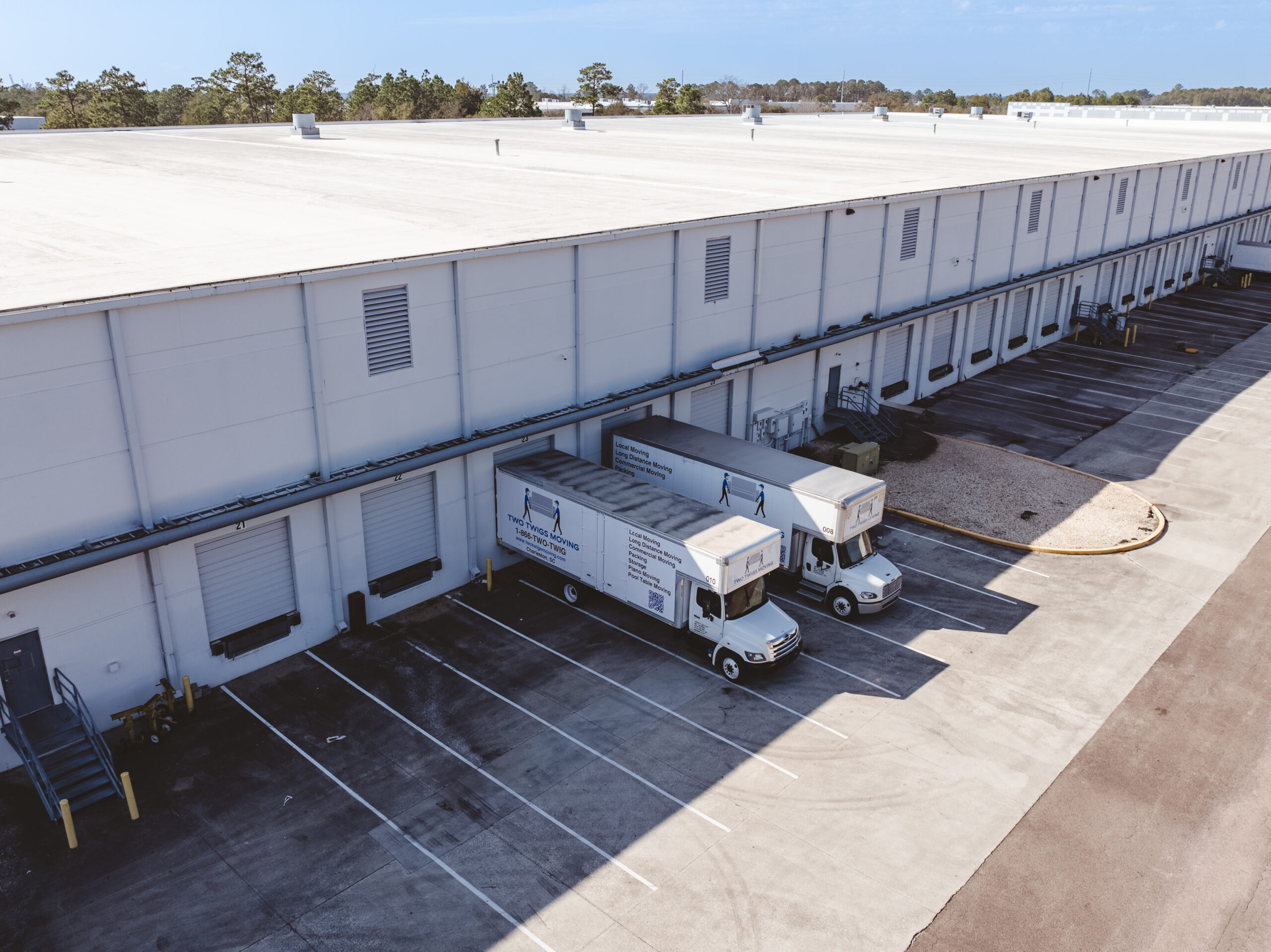
Companies like Two Twigs Moving understand that every move is different. By offering flexible service packages, multiple truck sizes, and customized moving solutions, they help customers select services that fit both their budget and moving requirements.
Conclusion
Creating a moving budget is one of the most important steps in planning a successful relocation. By understanding common moving expenses, evaluating potential cost factors, and identifying opportunities to save money, you can avoid surprises and stay in control of your finances.
Whether you are moving into a new apartment, relocating your family, or planning a business move, thoughtful budgeting can make the experience significantly less stressful. A well-planned Charleston moving budget helps you anticipate expenses, compare moving services, and make confident decisions throughout the relocation process. With proper preparation and the support of experienced professionals, you can enjoy a smoother, more efficient, and cost-effective move from start to finish.
Frequently Asked Questions
Q: What is the biggest moving expense?
A: The biggest moving expense is usually labor and transportation. Costs increase with home size, distance, and service type, especially for full-service moves where movers handle packing, loading, driving, and unloading efficiently.
Q: How can I estimate moving costs accurately?
A: You can estimate moving costs most accurately by requesting an in-home or virtual survey from a professional moving company. They evaluate inventory, distance, and services needed to provide a precise written quote.
Q: Is hiring movers worth the cost?
A: Hiring movers is often worth it because professionals save time, reduce physical strain, and help prevent damage to belongings. Their efficiency and equipment can make the entire relocation process smoother and less stressful overall.
Q: How can I lower my moving expenses?
A: You can reduce moving costs by decluttering before packing, comparing multiple estimates, scheduling during off-peak seasons, and packing early. Reusing supplies and organizing items also helps minimize labor and material expenses.
Q: Do moving companies provide packing materials?
A: Yes, most moving companies provide packing materials like boxes, tape, bubble wrap, and protective wraps. Many also offer full packing services, which can save time and ensure safer handling of fragile or valuable items.
.svg)