
That scratch on your dresser from the last move.
You probably didn’t see it happen. Most people don’t. It just shows up when everything’s unpacked, and suddenly you’re left wondering when things went wrong.
The frustrating part? It usually is not bad luck.
Furniture damage often comes down to small mistakes that don’t seem important in the moment but quickly add up during a move. This is where professional furniture moving services make a real difference.
Whether you are planning a professional movers, a local move, or coordinating long-distance moving services, the way your furniture is handled matters more than most people realize.
Why Furniture Gets Damaged During a Move
If you’ve ever been involved in a move, you have probably seen how easily things can go off track. A piece might be moved without wrapping because it’s “just a short distance,” or a couch gets pushed through a doorway at the wrong angle.
Some of the most common issues include:
- Skipping protective wrapping
- Forcing furniture through tight spaces
- Placing weight on delicate surfaces
- Items shifting inside the truck
These situations are common, but they are also avoidable with the right approach.
How Professional Furniture Moving Services Prevent Damage
There isn’t one single method that protects furniture. Instead, it’s a series of small, consistent steps done correctly.
- Proper Wrapping Comes First
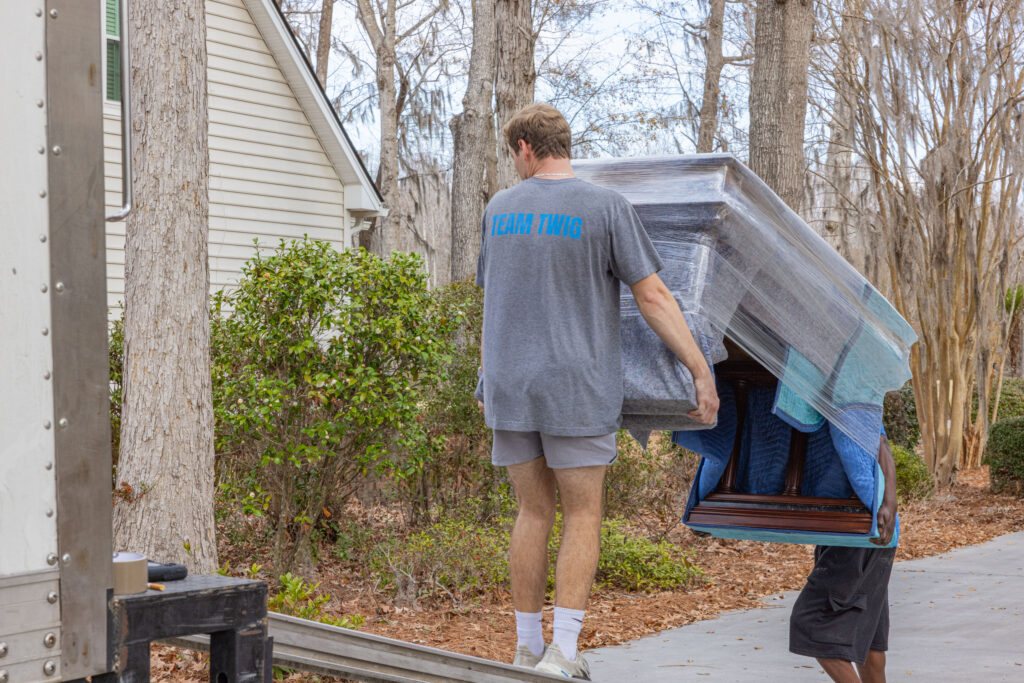
Professional movers don’t take shortcuts when it comes to protection. Furniture is typically wrapped using thick moving blankets and secured with stretch wrap to keep everything in place.
Items like glass tops, mirrors, and sharp edges receive additional care. This level of furniture protection during moving helps prevent scratches, dents, and surface wear.
- Disassembly When It Actually Helps
Trying to move everything in one piece may feel faster, but it often increases risk.
Experienced movers know when to take furniture apart, whether it’s removing table legs, breaking down bed frames, or separating sectional sofas. This reduces strain on the structure and makes handling much safer.
- Professional movers using the Right Equipment
Moving heavy furniture safely isn’t just about strength. It’s about control.
Professional movers rely on tools such as:
- Dollies for stability
- Lifting straps for balance
- Sliders for smooth movement
These tools help prevent dragging, dropping, or awkward lifting that can lead to damage.
- Slowing Down in Tight Spaces
Most damage happens in predictable areas, such as staircases, narrow hallways, and door frames.
Instead of rushing, experienced movers adjust angles, reposition items, and take their time. In some cases, they may even remove doors temporarily to create a safer path.
Why Proper Loading Matters During Transport
A lot of people assume that once furniture is inside the truck, the hard part is done. In reality, poor loading is one of the biggest causes of damage.
Professional movers load with a plan. They think about:
- Weight distribution
- Placement of fragile items
- Stability during movement
Everything is secured to prevent shifting. This becomes especially important during long-distance moving services, where furniture is exposed to continuous motion.
Professional Movers vs Inexperienced Handling
Here’s a simple comparison that highlights the difference:
| Aspect | Professional Movers | Inexperienced Movers |
| Packing | Organized and protective | Inconsistent |
| Handling | Careful and methodical | Rushed or forceful |
| Equipment | Proper tools used | Limited tools |
| Damage Risk | Low | Higher |
| Efficiency | Structured workflow | Unpredictable |
The difference isn’t just about effort; it’s about doing things correctly from the beginning.
Handling Delicate and Valuable Furniture
Some items naturally require extra care. Antiques, glass furniture, and large mirrors aren’t something you want handled casually.
Professional movers usually identify these items early and take additional precautions. This may include extra padding, careful positioning, or adjusting how the item is carried and loaded.
This attention to detail helps protect both the item and your peace of mind.
Choosing the Right Moving Approach
If you are planning a move, asking a few simple questions can give you clarity:
- Do you wrap all furniture or only certain pieces?
- What materials do you use for protection?
- How do you secure items inside the truck?
Clear, confident answers often reflect reliable furniture moving services, while vague responses can be a red flag.
A Quick Note on Experience and Local Expertise
Working with experienced movers can make a noticeable difference, especially when navigating different types of properties like apartments, homes, or office spaces.
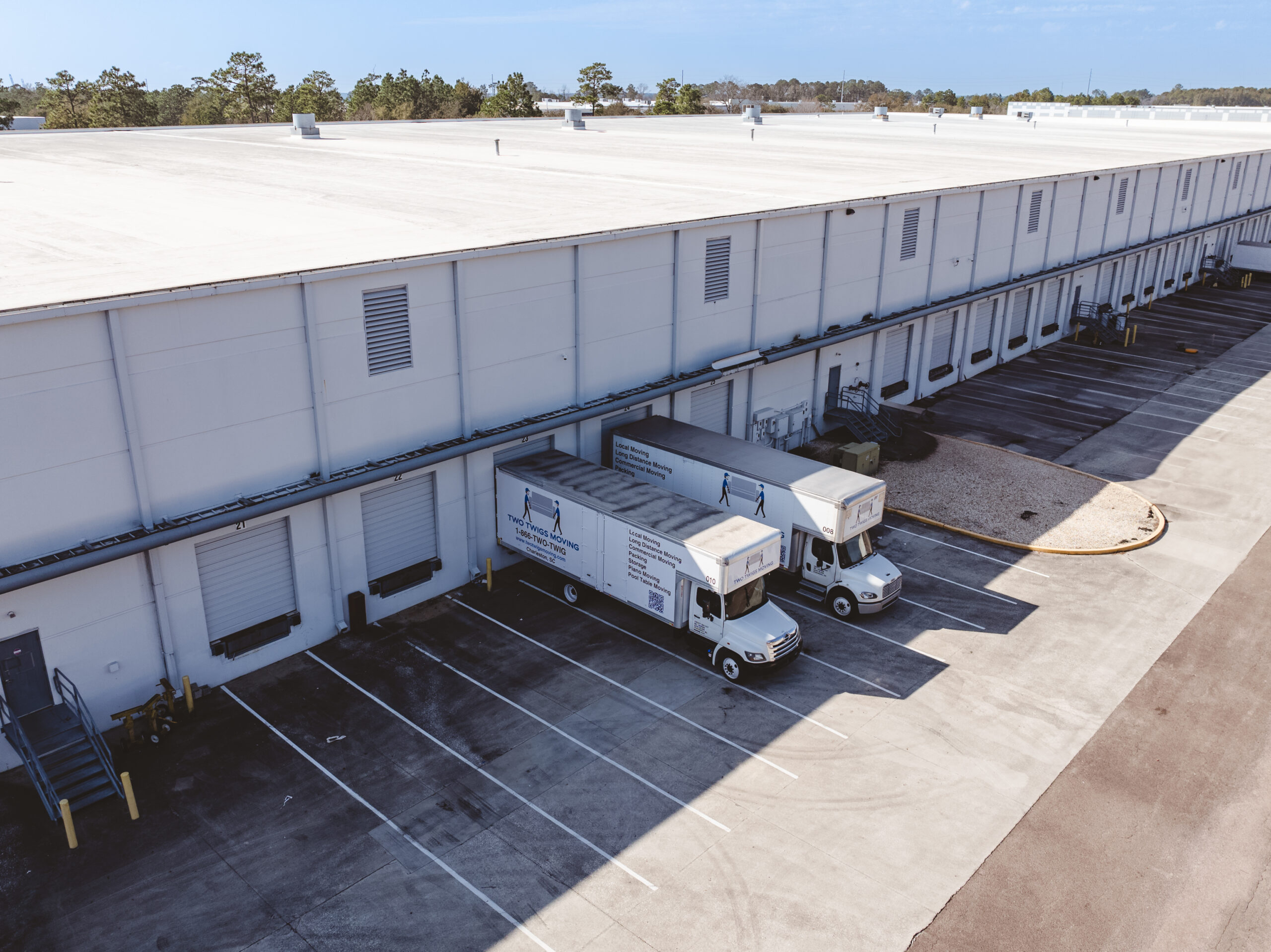
For example, companies like Two Twigs Moving focus on doing the fundamentals right, proper wrapping, careful handling, and thoughtful loading. Whether it’s a short local move in Charlotte or a longer move across NC and SC, attention to detail plays a key role in protecting furniture throughout the process.
Final Thoughts
Protecting furniture during a move isn’t about one big step — it’s about getting the small details right. From wrapping and lifting to loading and transport, each stage matters.
Choosing the right movers helps ensure your belongings are handled with care and consistency. When that happens, you are far less likely to deal with those unexpected scratches once everything is finally in place.
FAQs
Do movers really wrap everything?
They should. If they don’t, that’s usually where problems start.
Can I wrap things myself?
You can, but most movers will still double-check or add more protection.
What if something doesn’t fit through the door?
They’ll either adjust the angle, remove parts, or create more space. Forcing it isn’t the move.
Are damages covered?
Depends on the company. Always ask up front so you know what to expect.
.svg)