
Moving to a new home or office comes with countless details, and one of the most common questions people ask is: How long does furniture moving take? Whether you’re relocating from a studio apartment, a family home, a condo, or a commercial office, understanding the average timeline can help you plan effectively and avoid unnecessary stress.
The reality is that no two moves are exactly alike. The amount of furniture, property accessibility, packing preparation, travel distance, and the experience of your movers can all impact how long the process takes. Understanding these variables can help you create a realistic moving schedule and avoid surprises on moving day.
Average Furniture Moving Timeline by Property Type
The size and complexity of the move play a major role in determining how long it will take.
| Property Type | Average Moving Time |
| Studio Apartment | 2–4 Hours |
| 1-Bedroom Apartment | 3–5 Hours |
| 2-Bedroom Home | 4–7 Hours |
| 3-Bedroom Home | 6–10 Hours |
| 4+ Bedroom Home | 8–12+ Hours |
| Small Office | 4–8 Hours |
| Large Office | 8–15+ Hours |
These estimates typically include loading, transportation, and unloading. Additional services such as packing services, storage, furniture assembly, or specialty-item handling may extend the timeline.
Why Moving Times Vary
Many homeowners assume square footage determines moving time, but movers often focus more on inventory volume.
For example, two homes with identical floor plans may require vastly different moving schedules depending on how much furniture, décor, and personal belongings are being transported.
1. Volume of Furniture and Belongings
The more items you move, the more time is required for wrapping, loading, securing, unloading, and setup.
Large furniture pieces that frequently require additional handling include:
- Sectional sofas
- Dining room sets
- Bedroom suites
- Home office furniture
- Entertainment centers
- Exercise equipment
Homes with minimal furniture are usually much quicker to relocate than heavily furnished properties.
2. Distance Between Locations
Travel time naturally affects the overall schedule.
For local moves, transportation may only add a short amount of time. However, traffic congestion, road construction, and longer routes can significantly increase the total moving duration.
3. Accessibility Challenges
Accessibility is one of the most overlooked factors affecting moving efficiency.
Common obstacles include:
- Multiple flights of stairs
- Small elevators
- Long walking distances
- Limited truck parking
- Narrow hallways
- Tight doorways
- Building restrictions
Properties with convenient truck access and fewer obstacles generally allow movers to work much faster.
4. Furniture Disassembly and Reassembly
Many large items cannot be moved safely without partial disassembly.
Examples include:
- Bed frames
- Dining tables
- Modular sectionals
- Shelving systems
- Office workstations
While experienced movers can handle these tasks efficiently, they add extra time to the overall process.
5. Packing Preparation
Preparation is one of the easiest ways to reduce moving time.
When boxes are packed, labeled, and organized before moving day, movers can focus entirely on loading and transportation. Last-minute packing often creates delays and increases labor costs.
Understanding the Moving Process
Knowing what happens during each stage of a move can help you set realistic expectations.
- Initial Assessment
Most professional moving companies begin with a consultation or estimate.
During this phase, movers evaluate:
- Property size
- Inventory volume
- Accessibility concerns
- Specialty items
- Truck size requirements
This information helps create a customized moving plan.
- Loading
Loading is often the most time-consuming part of any move.
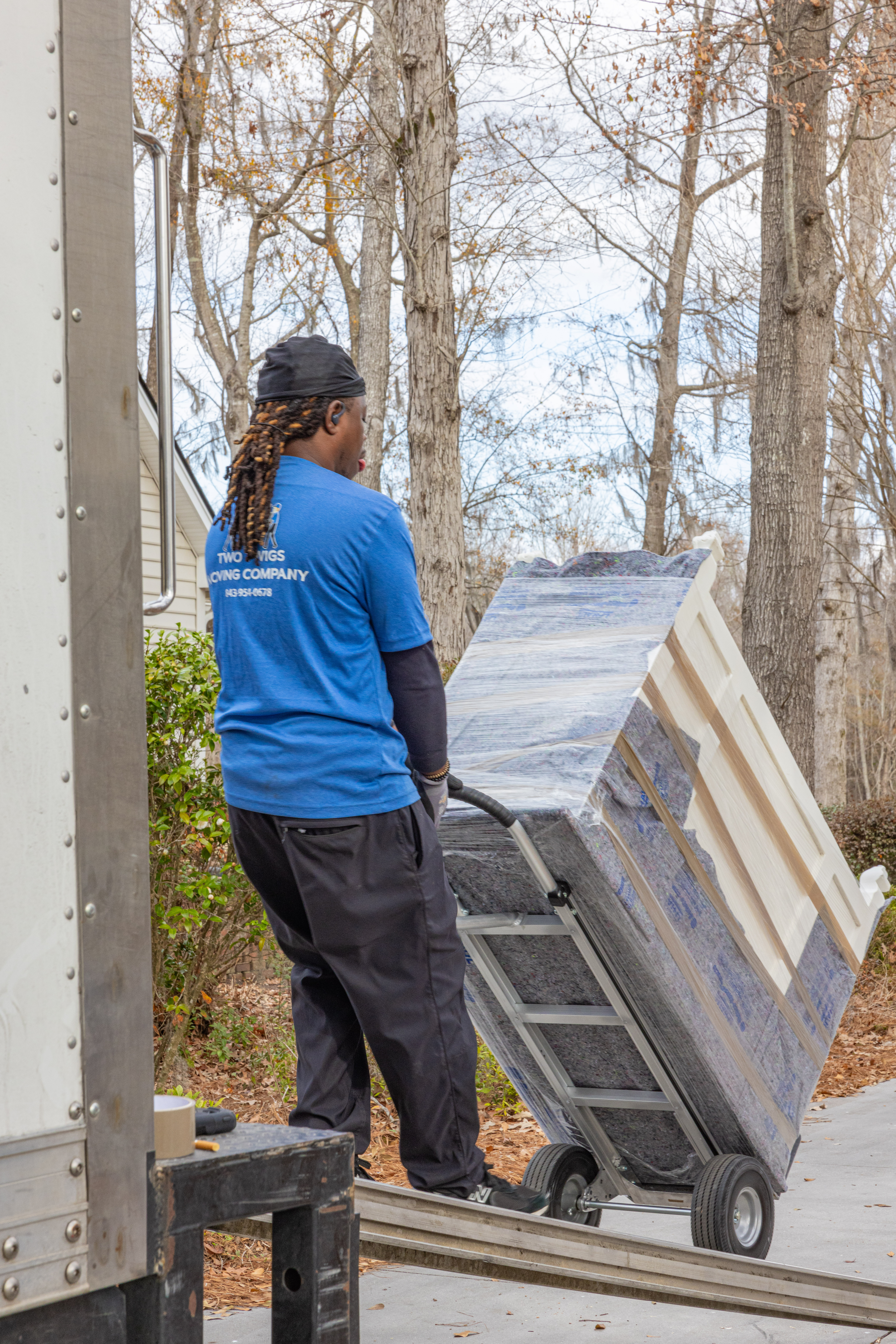
Professional movers carefully protect furniture with padding, shrink wrap, and moving blankets before securing items inside the truck. Proper loading techniques help prevent damage during transportation.
- Transportation
Travel time depends on the route, traffic conditions, and distance between locations.
For local moving services, transportation can range from 30 minutes to several hours.
- Unloading and Setup
Once movers arrive at the destination, they unload and place furniture in designated rooms.
Providing clear instructions beforehand can help speed up the process and minimize unnecessary rearranging.
Expert Insight: Why Hiring Experienced Movers Matters
Experienced movers understand how to maximize efficiency while protecting valuable belongings.
Professional moving crews use specialized equipment, proven loading techniques, and strategic planning to complete moves safely and efficiently. They also know how to handle difficult access points, fragile furniture, and unexpected challenges that may arise during the relocation process.
Companies like Two Twigs Moving build customized moving plans based on each customer’s specific needs. By offering different service packages, crew sizes, and truck options, they help homeowners, renters, and businesses choose the level of support that best fits their move.
How to Make Your Move Faster
While some factors are outside your control, these practical steps can help reduce moving time.
- Declutter Before Moving Day
Moving fewer items means less loading, unloading, and transportation time.
Consider donating or selling:
- Unused furniture
- Old electronics
- Clothing you no longer wear
- Household items you don’t need
- Label Boxes Clearly
Room-by-room labeling helps movers place boxes quickly in the correct locations.
- Prepare Furniture in Advance
Before moving day:
- Empty drawers
- Disconnect electronics
- Remove fragile décor
- Secure loose components
- Reserve Convenient Parking
Easy truck access can save significant time and improve overall efficiency.
- Hire Professional Movers
Experienced local movers can often complete a move much faster than a DIY approach while reducing the risk of injury, damage, and unexpected complications.
Can Most Moves Be Completed in One Day?
Yes. Most apartment, condo, townhome, and single-family home moves can be completed within a single day when planned properly.
Larger homes, office relocations, or moves involving specialty items may require additional time, but professional planning can help keep everything on schedule.
Conclusion
So, how long does furniture moving take? For most households, the process can be completed in a few hours to a full day. The exact timeline depends on the amount of furniture being moved, the distance involved, accessibility challenges, and how well the move is prepared in advance.
The best way to ensure a smooth relocation is to start planning early, stay organized, and work with experienced professionals. Whether you’re moving into a new apartment, upgrading to a larger home, or relocating an office, the right moving company in Charlotte can help simplify the process and keep everything on schedule.
With proper preparation and professional support, you can enjoy a safer, faster, and far less stressful moving experience.
Frequently Asked Questions
Q: How long does it take movers to move a house?
A: Most house moves take around 2 to 12 hours, depending on home size, furniture volume, number of movers, and accessibility conditions like stairs, elevators, parking distance, and overall packing readiness on moving day.
Q: What affects moving time the most?
A: The biggest factor is how much furniture and belongings are being moved. Other key factors include accessibility, travel distance, packing preparation, and how experienced and well-equipped the moving team is overall.
Q: Do movers disassemble furniture?
A: Yes, most professional movers disassemble large furniture like beds, tables, and wardrobes for safe transport. They also reassemble items at the destination, helping ensure faster, safer, and more efficient moving.
Q: Is hiring movers worth it?
A: Yes, hiring movers saves significant time and effort. Professionals handle heavy lifting, reduce injury risk, protect your furniture, and complete the move more efficiently than DIY methods in most situations.
Q: What furniture takes the longest to move?
A: Large or complex items like sectional sofas, pianos, pool tables, heavy wardrobes, and custom furniture take the longest due to size, weight, disassembly needs, and careful handling requirements.
Q: Can movers pack and move everything on the same day?
A: Yes, many moving companies offer same-day packing and moving services. However, this may extend the total time required depending on how much packing work is needed before loading begins.
.svg)